
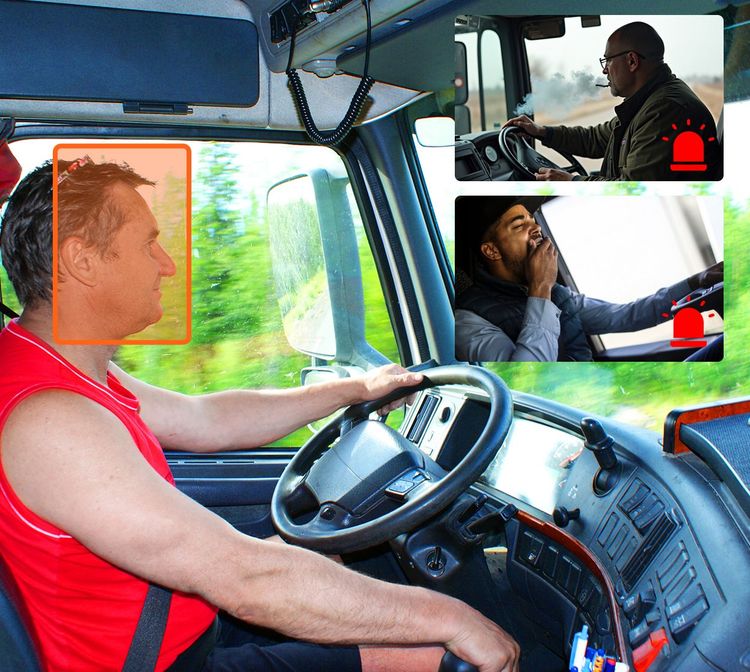
Problem: vans late, crews idle, budgets bleeding
You know the drill — a van breaks down, a tech waits two hours, a well pad loses production. That single failure scales fast across dozens of vehicles and remote sites. For operations that rely on reliable transport, like those managing oil and gas fleet management, those delays translate into lost uptime, safety risks, and irritated supervisors. Problem-driven: start with the failure points, then fix what actually causes them.
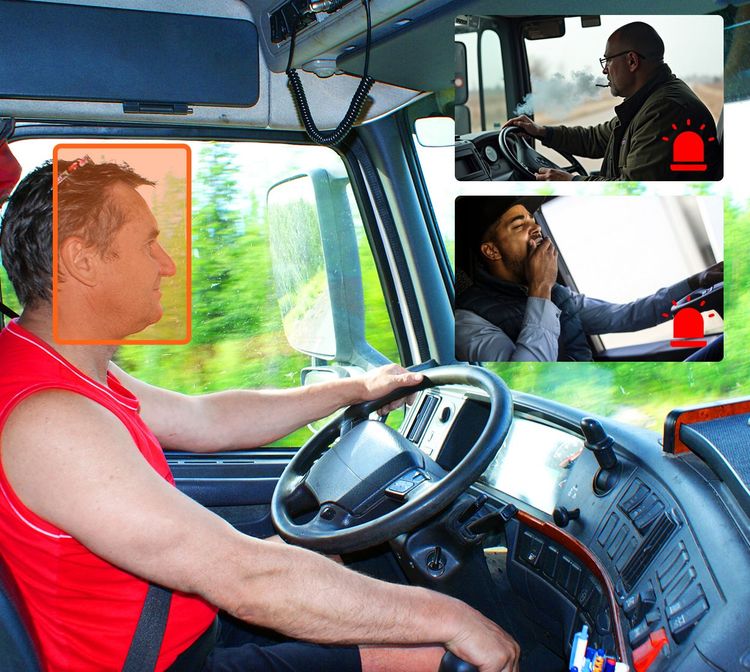
Where things go wrong — concrete failure modes
Failures repeat because the same weak links persist. Common, fixable issues I’ve seen firsthand when coordinating field teams in the Permian Basin: – poor visibility on vehicle location and status – deferred maintenance until a breakdown – mismatched vehicle to task (heavy lift vs. tight-road van) – manual dispatch that ignores driver hours – inconsistent fuel tracking that hides cost leaks
Why those failures persist
Simple reasons. Data trapped in spreadsheets. No single source of truth for a vehicle’s health. Communication gaps between dispatch, maintenance, and on-site teams. Budgets that favor short-term patch jobs over small, preventive investments. Those choices create predictable outages.
Core features that actually solve the problem
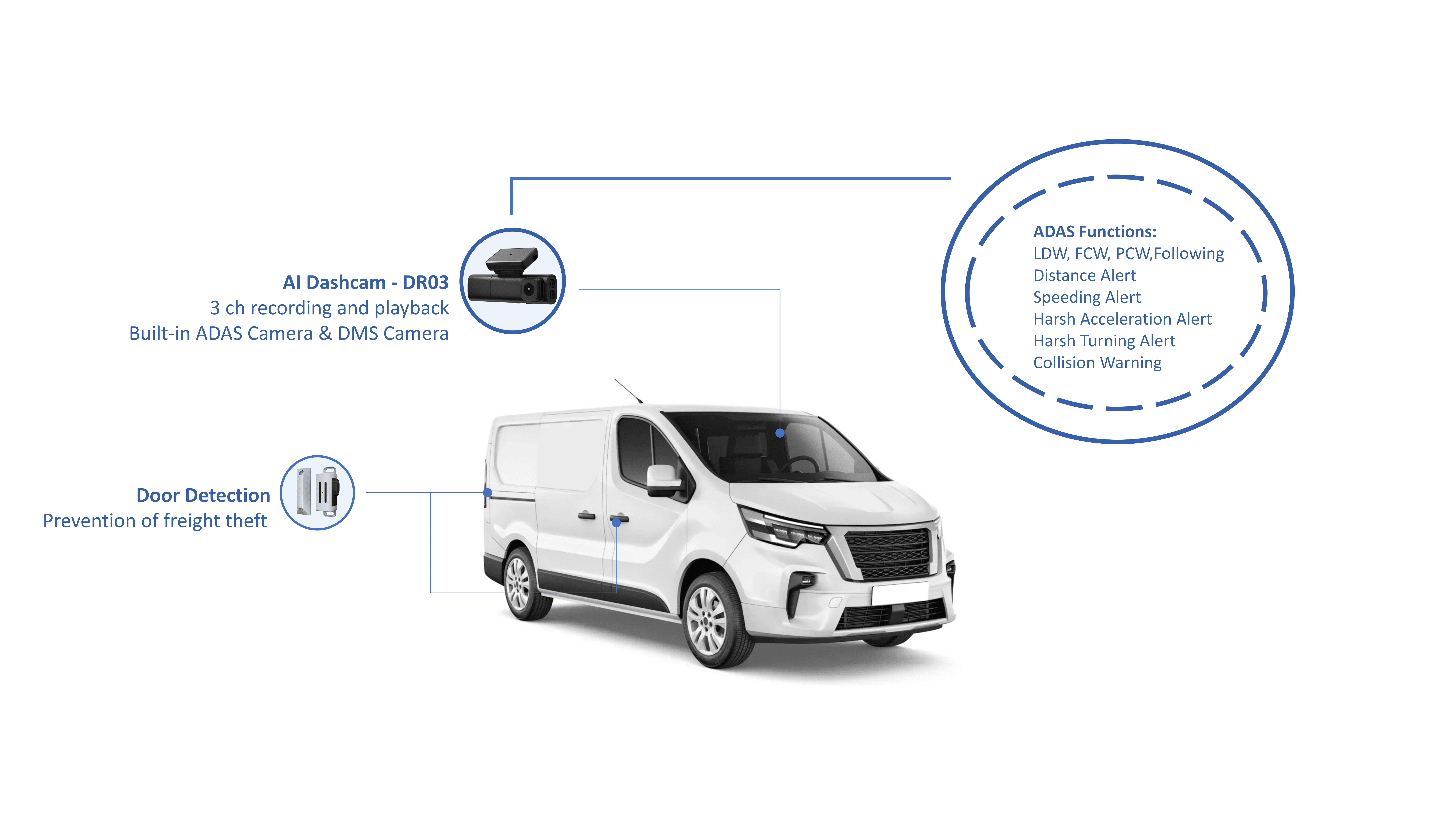
Fixes should map directly to the failure modes above. Practical features to insist on: – real-time telematics: location, engine diagnostics, fault codes – preventive maintenance triggers based on mileage and engine hours – task-based vehicle assignment so tools and payload match the job – digital dispatch with driver-hours and geofencing – integrated fuel and cost reporting for per-job accounting
Use cases specific to oil and gas operations
Field work in energy isn’t like city courier runs. You need endurance, remote diagnostics, and clear provenance of who did what and when. For those needs, deploy systems that support long-haul scheduling, offline data capture, and automatic upload when signal returns. If you want a focused solution for this sector, look at systems designed for fleet management in oil and gas industry — they bake in remote-site realities and fuel-heavy workflows.
Benefits you can measure
Stop treating improvements as vague. Measureable wins include: – fewer roadside breakdowns per 100 vehicles – reduced mean time to repair via remote diagnostics – lower fuel spend via monitored idling and route optimization – tighter labor costs from accurate dispatching – improved safety records through compliance tracking
Common implementation mistakes
Don’t buy features you won’t use. Mistakes to avoid: – deploying telematics without a maintenance workflow – ignoring driver training on new tools – fragmenting data across platforms so nobody owns the metric – expecting overnight culture change — small pilots first
Quick decision checklist for fleet leads
Before you sign anything: – Can the system push diagnostic alerts to mechanics? – Does it respect driver hours and local regs? – Is offline data capture reliable? – Are reports exportable into your accounting system? – Can you run a two-month pilot on a subset of vehicles?
Alternatives and trade-offs
There are lean off-the-shelf telematics bundles and heavy enterprise suites. Choose small if you need speed and immediate ROI; choose large if you need deep integrations with ERP and maintenance backlogs. Expect trade-offs: speed versus customization, price versus scope.
Wrap-up — practical synthesis
Start by fixing the repeatable problems: visibility, preventive maintenance, and right-sizing vehicles to tasks. Do a short pilot, measure outcomes, then scale the parts that cut downtime and cost. If you want a partner that understands the field realities and can map solutions to measurable outcomes, consider how BSJ fits into that roadmap — they focus on the practical tools operations need, not buzzwords.

