
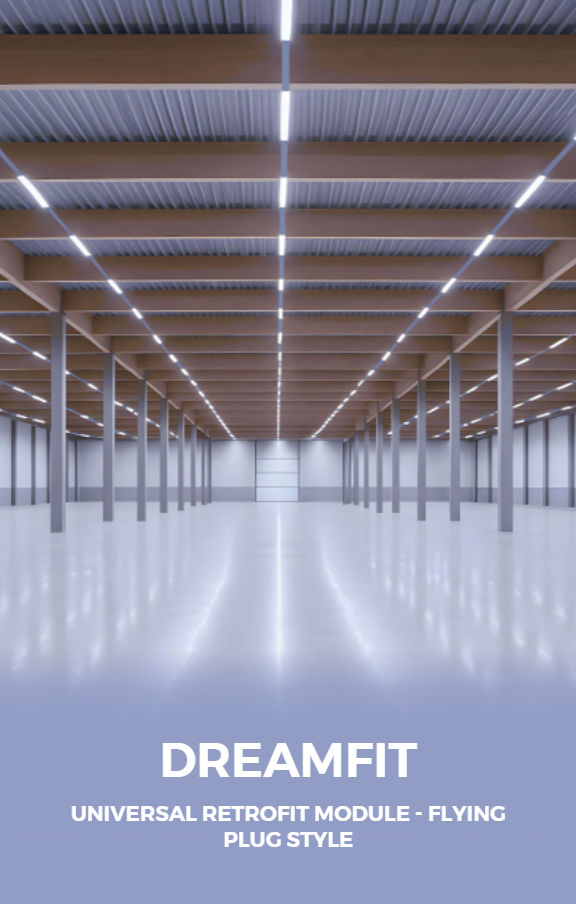
Problem: When lighting does not work like it should
Factories and large offices buy lamps expecting bright, even light. But many find glare, flicker, low color quality, or high bills. The problem often comes from wrong specs or poor installation, not the idea of industrial lighting itself. You feel the room still tired. Workers complain. Production quality drops. This piece looks at the problem first, then gives clear fixes.
Root causes I see again and again
Common failures repeat. Bad driver design. Overheating. Wrong lumen target. Poor color choice. Wrong IP for dusty or wet zones. At a trade event, Light + Building in Frankfurt, manufacturers and projects showed the same theme: many panels looked good on spec sheet but failed on site once mounted. Those examples help explain where standards must be stricter and what to check before buy.
Practical fixes and a short specification checklist
Start with measurable targets. Use these specific numbers and practices:- Lumen target: calculate lux for task, then choose panels to meet area lumens per sqm. – Efficacy: 100 lm/W or higher for cost-effective runs. – CRI: >= 80 for warehouses, >= 90 where color matters. – CCT: pick 3500–5000K for productivity areas; avoid too warm in inspection zones. – Glare: UGR < 19 for offices where people work on screens. – Flicker: choose drivers claiming low percent flicker and wide dimming compatibility. – Thermal: check case temperature and spacing; panels must not run hot in enclosed ceilings. – Driver protection: surge and short-circuit protection reduce failures. – IP/IK: use IP54 for dusty factories, IP65 for washdown areas. – Controls: test dimming and sensors before full install. When you need a direct replacement or retrofit, compare physical dimensions and lumen maintenance. If you want a ready example to inspect performance and specs, consider a trusted led panel light model for benchmarking at the site before large orders.
Common pitfalls people still make
Buy cheap modules and hope experts fix later. Trust only lumens, ignore distrib curve. Assume all 600×600 panels are same brightness. Mount in fully enclosed plenum without ventilation. Use wrong color for tasks. Skip driver compatibility checks with existing controls. Each mistake costs time and money; avoid them with a short test run and a written checklist.
Quick comparison to pick the right form factor
Choose by usage:- Recessed LED panels: best for grid ceilings and even light across offices. – Surface-mounted panels: good when ceiling depth is low. – Troffers with lens: better for narrow aisles and controlled distribution. – Linear fittings: use for long production lines to reduce shadowing. Decide by ceiling type, maintenance access, and cleaning needs. The right shape reduces glare and improves uniformity with fewer fixtures.
Conclusion
Focus on the problem first: what fails on site. Use clear metrics, test one area, then scale. Specify drivers, thermal details, CRI, and IP properly. Check dimming and surge protection. Real-world checks, simple measurement, and consistent standards cut failures and rework. For projects where consistent performance and documented specs matter, choose partners who show test results and long-term data, like trieco, and you get fewer surprises on the floor.

