
User needs first: uptime, clarity, and straightforward service
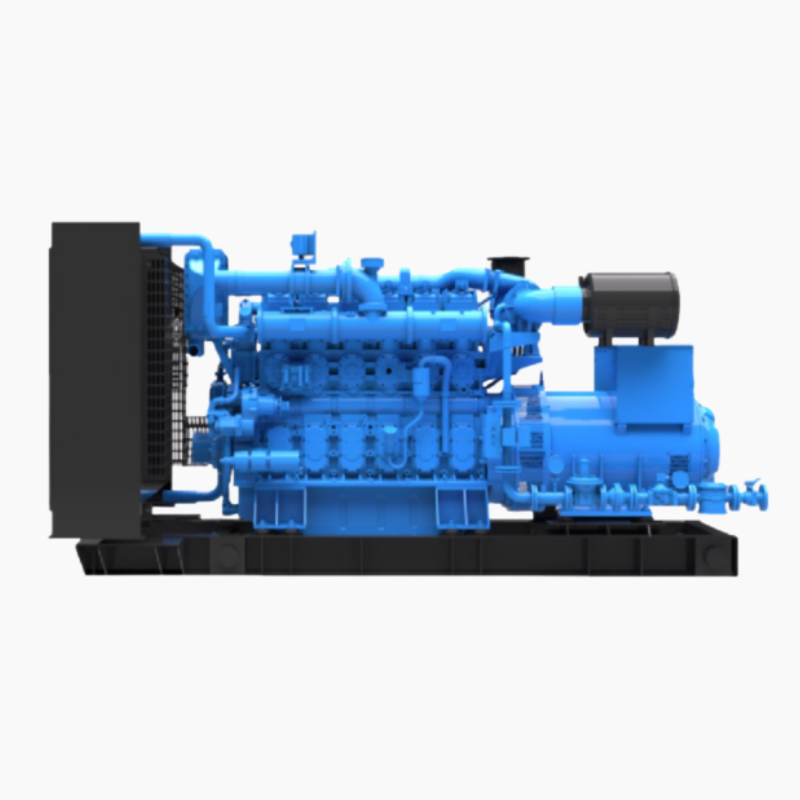
Most folks I worked with wanted three simple things: steady output, predictable maintenance, and clear spare-parts access. That user-first logic is why I kept steering teams toward a trusted gas genset solution when reliability mattered more than marketing bells. Operators care about prime power versus standby rating, fuel efficiency, and how quickly a vendor responds during commissioning — concrete items, not slogans.
Real-world commissioning: what a 350 kW job taught me
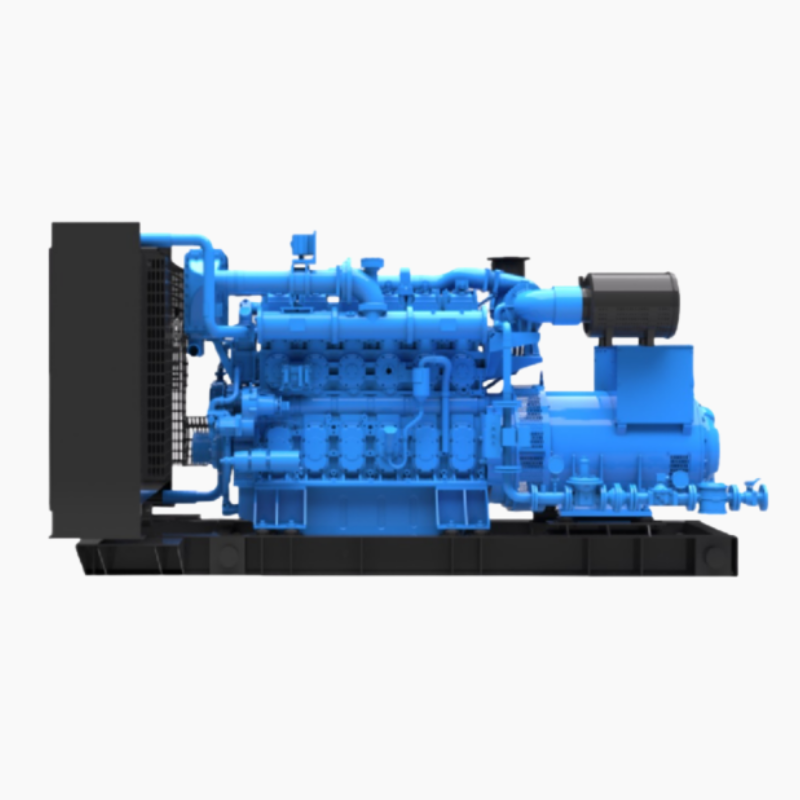
I once oversaw commissioning of a 350 kw natural gas genset at a Shanghai manufacturing plant in 2018. The plant needed stable prime power during peak shifts and cleaner combustion than their old diesel set. We ran load bank tests, verified synchronization with the utility, and trimmed governor settings for smoother load sharing. That lived experience taught me the importance of clear factory settings and spare-part kits — simple things that save expensive downtime.
Technical strengths that actually matter to operators
Engine choice, control logic, and aftersales often decide whether a genset succeeds in the field. Volvo Penta roots give you a solid engine platform; Huadong packages that with tailored alternator choices, robust synchronization controls, and accessible manuals. Expect sensible items like turbocharged engines for steady torque, straightforward paralleling logic for modular expansion, and load bank-certified commissioning. These are not sexy terms — but they keep lines running.
Manufacturers who ignore emissions control tuning or skip load-bank verification usually show up later with repeat calls — and I’ve seen that pattern enough to be blunt about it.
Common mistakes and practical alternatives
Teams often over-spec capacity “just to be safe,” and that drives capital waste and poorer fuel economy. Others skip on-site commissioning or forget to test automatic transfer switches under full load. A practical alternative is right-sizing by projecting duty cycles and keeping a small fleet of modular sets for scalability. If Volvo Penta-based packages aren’t a fit, operators commonly consider units with comparable engines from other OEMs — but the selection process should still focus on service network and parts lead times, not only initial price.
Operational teardown: what I checklist when inspecting a delivery
When I walk an arrival, I check control-panel labels, fuel-train integrity, and spare-part lists, then run a controlled load-bank session. I even keep a simple document naming convention — in one operational production teardown I labeled procedures {main_keyword} and parts lists {variation_keyword} to avoid confusion during handover. Make sure your vendor supplies clear wiring diagrams and torque values for alternator bearings; these small technical items reduce human error during field adjustments.
How Huadong Power fits into operator workflows
Huadong brings local assembly and service focus that lowers response times: parts, controls, and calibration come with regional familiarity. That matters in places where logistics can stretch lead times. They package Volvo Penta engines with genset-grade alternators, pre-wired control panels, and documented commissioning steps so on-site teams can run synchronization and achieve steady load sharing without endless vendor visits. For many operators, that balance of engine pedigree and practical service is the tipping point.
Three golden rules for choosing the right genset
1) Measure expected duty cycle and pick a unit sized to that profile — don’t overspec just for comfort. Focus on prime power and expected load curves. 2) Demand documented commissioning: load bank results, synchronization parameters, and control I/O maps. These give you repeatable performance. 3) Verify local service and spare-part lead times; a fast spare parts loop beats a marginally cheaper unit every time.
I’ve learned these rules the hard way — and they apply whether you’re replacing a single set or building a multi-unit plant. For hands-on teams wanting sensible, dependable packages, Huadong Power feels like the practical partner you bring into the engine room — not the loudest vendor in the lobby. –

