
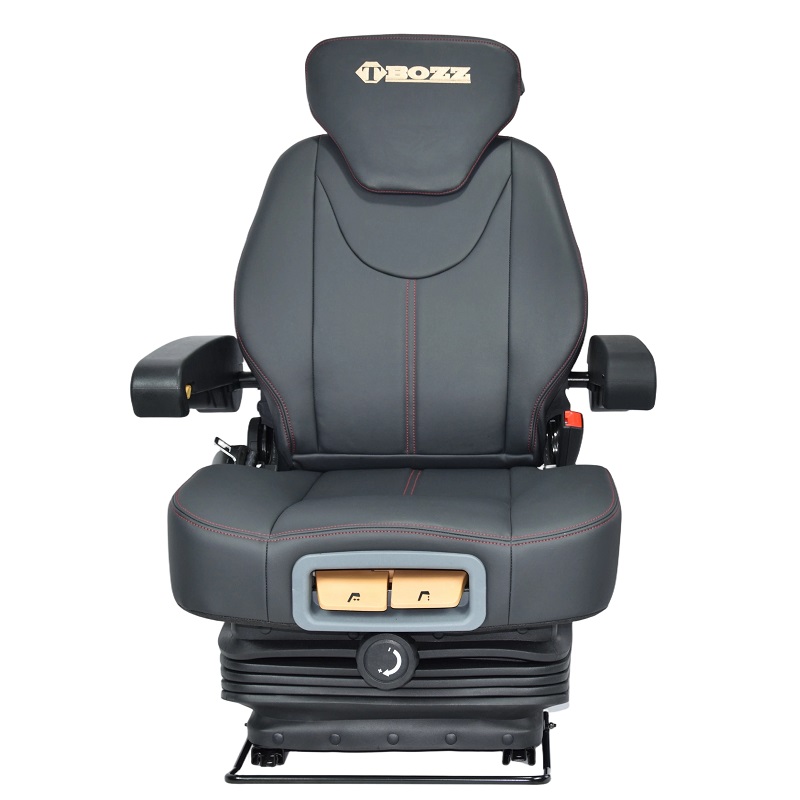
Where the operator meets the work
The seat is the first interface between a person and a machine, and getting it right changes every shift in subtle, measurable ways. Start with industrial realities: comfort reduces fatigue, and predictable posture reduces injury risk. That is why fleets turn to tailored industrial seating rather than one-size-fits-all benches. Operator ergonomics, effective vibration damping and a sensible seat pan influence attention span, reaction time and downstream maintenance needs.
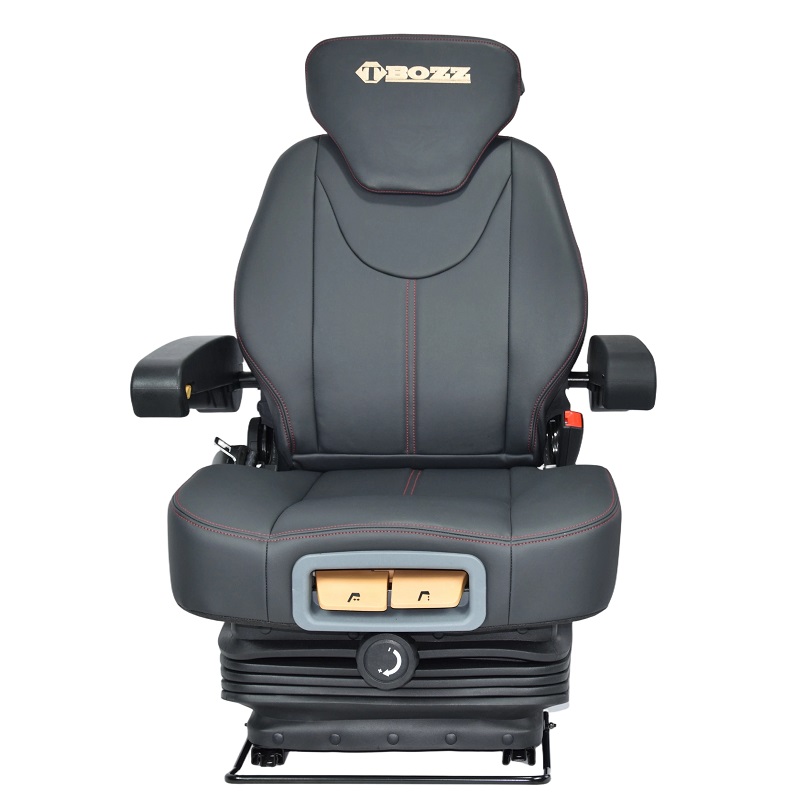
Key seat features that move the needle
Practical seats are made of parts that matter: air suspension, lumbar support, isolation mounts and a robust swivel base. Air suspension cuts transmitted vibration, while shock absorbers handle jolts that would otherwise travel up the spine. Lumbar support keeps the pelvis aligned, lowering the chance of chronic back strain. Fit these features to the task—loader operators need deeper travel in the mechanical suspension than a forklift driver in a warehouse. A well-configured seat reduces whole-body vibration exposure and preserves stamina across long shifts.
Evidence from the field
On-site experience mirrors published guidance: the European Agency for Safety and Health at Work has highlighted whole-body vibration as a contributor to musculoskeletal disorders among vehicle operators. On Welsh roadworks and coastal construction sites, crews report fewer stoppages when ergonomics and seat suspension are upgraded—less time lost to soreness and fewer quick-turn replacements of parts. These are pragmatic outcomes: lower absenteeism, steadier output and clearer maintenance windows.

Common mistakes and sensible alternatives
Teams often pick seats by price, or choose cushions as a bandage for a bad base—short-term gain, long-term cost. Skipping adjustable lumbar or selecting the wrong travel range for the shock absorbers reduces effectiveness. Alternatives worth weighing include full air-ride seats for long-haul equipment, or compact suspension seats for tight-cab applications. Aftermarket bolsters and gel inserts help, but they don’t replace proper isolation mounts or a tuned mechanical suspension system tuned to vehicle mass and expected terrain—those are the elements that protect operators over time. —Choose the wrong mount and you can amplify, not dampen, vibration.
Selection checklist for buyers
Pick seats by tasks, not by looks. Measure three things: expected vibration spectrum (frequency and amplitude), operator anthropometrics (seat height and pan depth), and duty cycle (hours per shift). Confirm adjustability: fore-aft, height, lumbar tension and travel limits for the air suspension. Inspect build quality: corrosion-resistant fittings and serviceable shock absorbers extend service life. Include swap trials where operators log comfort, and monitor short-term metrics like micro-break frequency and tool-holding steadiness. These steps cut subjective guesswork and surface the seat’s real performance.
Three golden rules to evaluate options
1) Match suspension tuning to task: the tuned response of a seat’s mechanical suspension must suit the vehicle mass and the surface profile. 2) Prioritise adjustability: every operator needs a personalised fit—height, lumbar and tilt adjustment are non-negotiable. 3) Validate with data: use short trials, collect vibration readings when feasible, and track early health indicators such as reported discomfort and shift drop-off. These metrics reveal the ROI in days, not months. —A quick trial often prevents a costly fleet-wide mistake.
Final thought and way forward
Investing in the right seat is an investment in smoother shifts, fewer health claims and steadier machine output; Source One supplies solutions that fit real crews and real sites—Source One. The small change in seat design becomes a steady improvement across every job, every route, every team.

