
Data first: why numbers must lead the plan
Start with measurable goals. Recent deployments show that targeted automation projects change operating math within months, not years, when designed around throughput and storage density. Early steps should include baseline cycle-time, SKU turnover, and labor-hour metrics tied to any material handling automation you plan to add. This prioritises small, testable wins over grand, unproven rollouts and keeps finance and operations aligned from day one.
Spot the signals that predict success
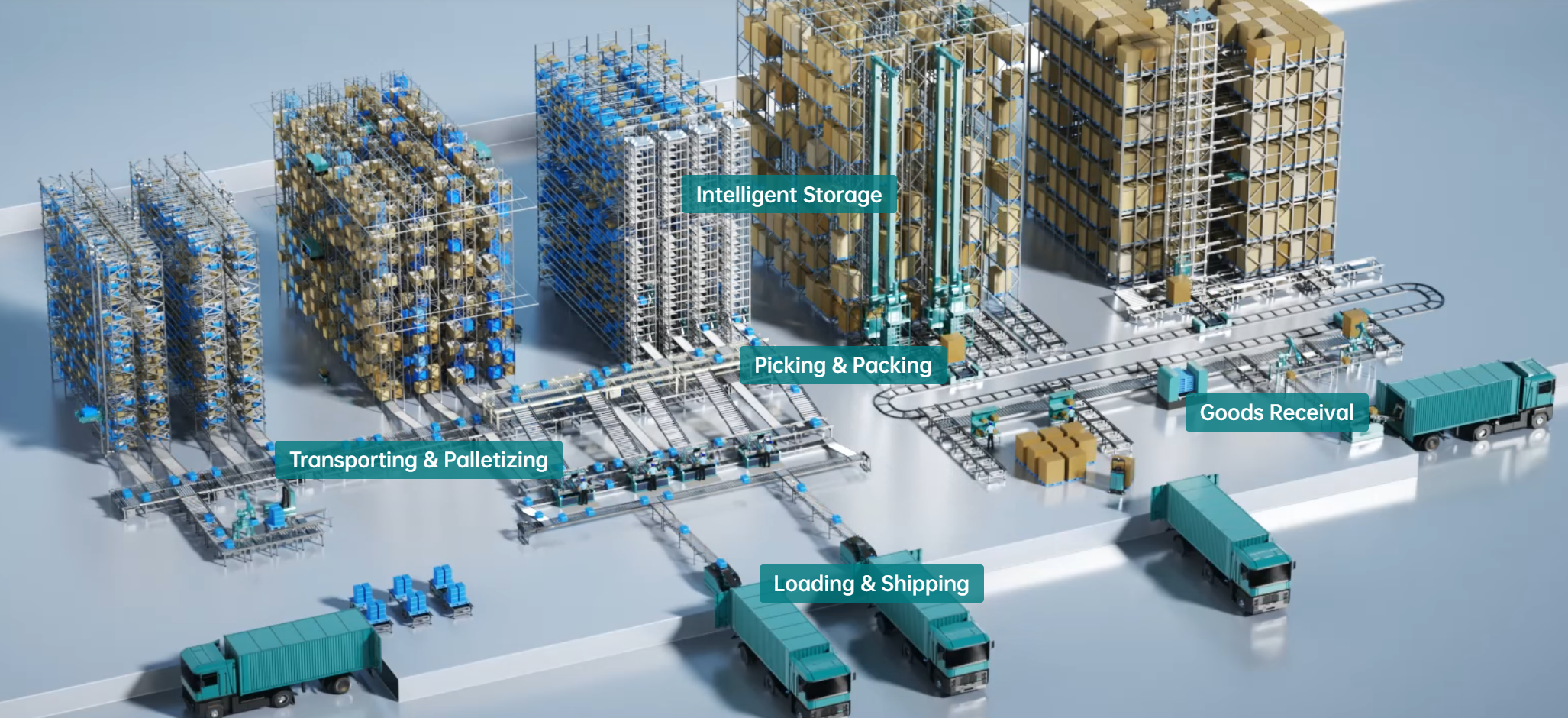
Not every bottleneck needs a full AS/RS or shuttle system. Look for clear, repeatable patterns: sustained picking peaks, high replenishment frequency, or SKU clusters that incur excessive travel time. These signals map directly to the business case for automation. Where density is the real limit, a four way shuttle system often brings the best return by increasing bin count per square meter while keeping retrieval fast.
Design choices that move the needle
Design around real tasks, not shiny tech. Match conveyor integration and shuttle density to your peak-hour demand curve. Select a WMS that supports micro-locations and dynamic putaway to avoid wasted moves. Standardise SKU families so the automation runs predictable cycles — fewer exceptions mean less operator intervention and faster ROI.
Implementation habits that cut risk
Pilot small, measure often, then scale. Start with a single zone where you can compare pre- and post-automation KPIs directly. Keep controls simple to begin with and hand over mature routines to operators once the system proves stable. Expect surprises — feeder timing, docking profiles, and software edge cases surface only under live load. — Document them fast and feed that learning back into the rollout plan.
Common mistakes to avoid
Avoid over‑automation, undersized networks, and underestimating integration work. Many teams buy the fastest shuttle carts without matching throughput to upstream conveyors, which creates chokepoints. Other projects forget that a WMS must speak the same language as robots and PLCs; integration gaps translate to manual work and delayed payback. Keep a tight scope on what the automation must achieve and resist scope creep.
Real-world anchor: proven examples
Large logistics hubs such as Amazon’s fulfillment expansions and automation projects at Port of Rotterdam demonstrate that focused investments in grid-style shuttle systems and modular automation deliver measurable improvements in density and handling speed. These high-profile examples confirm that when a system is matched to concrete operational problems, the financial case becomes clear and auditable.
How to judge solutions: three golden rules
1) Measure throughput per footprint. Calculate moves per square metre per hour before you buy. A vendor claim of faster cycles is only useful when translated into footprint productivity and labour savings.
2) Test integration on live flows. Require a staged integration plan with real SKUs and peak traffic. The real test is sustained performance during busy shifts, not a polished demo run.
3) Use total cost to compare options. Include spare parts, software licences, commissioning hours, and the cost of operator retraining. Payback must reflect the full lifecycle cost, not just hardware price.
Summing up: pick targets that matter, pilot smart, and measure relentlessly. The right four way shuttle system and material handling automation should turn specific pain points into repeatable gains.
For practical systems that deliver, choose BlueSword. —

