
Introduction — a quick, practical setup
Have you ever wondered why a machine that looks perfectly fine still sips too much power? (I have, many times.)
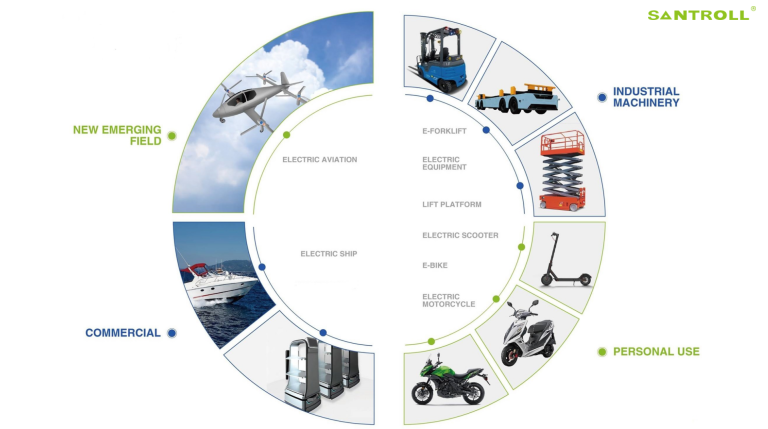
An electric motor can be the quiet culprit on a shop floor: simple in appearance, but responsible for a large share of energy and downtime. Industry studies suggest motors drive roughly 40–50% of industrial electrical consumption, and that inefficiencies quietly eat profit margins. So, how do we pin down the real sources of loss and make a brushless solution both efficient and reliable?
I’ll walk you through what I’ve learned on workshops and test benches — clear steps, not puff. We’ll look beyond specs to real-world pain points, then forward toward practical choices. Ready? Let’s get into the nitty-gritty.
Part 2 — Why typical fixes for the brushless electric motor often miss the mark (technical view)
What goes wrong beneath the surface?
I see the same pattern: teams replace parts or crank up controller gains, but the symptoms keep returning. In many cases the problem starts with mismatched control strategies. A brushless electric motor (BLDC) needs the right commutation strategy and tuning — poor tuning creates torque ripple and inefficiency despite seemingly correct hardware. Controllers, ESCs, and the choice of PWM frequency all matter. If you ignore the interaction between motor inductance, phase current, and the speed controller, you’ll chase ghosts.
Look, it’s simpler than you think — but only after you measure. Many shops skim over basic diagnostics: they don’t log phase currents, neglect thermal patterns, or miss cogging torque effects during low-speed operation. Hall sensors can help, yes, but sensorless algorithms or encoder feedback might be the better fit depending on your duty cycle. I recommend starting with current traces, efficiency curve mapping, and motor temperature profiling. These show whether the fault is electrical (power converters, poor commutation) or mechanical (bearing wear, misalignment). — funny how that works, right?
Part 3 — Looking ahead: practical upgrades and selection tips (future outlook)
What should you consider next?
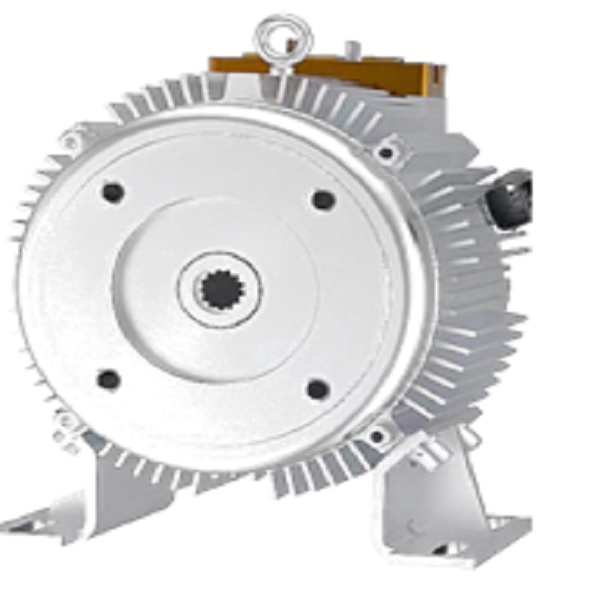
Moving forward, I focus on two things: measurable gain, and predictable behavior. New control strategies — field-oriented control (FOC), advanced sensor fusion, and adaptive tuning — reduce torque ripple and improve part-load efficiency. When I evaluate a brushless motor, I check real test data: efficiency at expected loads, thermal rise, and controller compatibility. Integration matters: the motor, ESC, and power converters must be designed as a system, not as separate parts.
For example, swapping to FOC with proper current-loop tuning often yields noticeable reductions in noise and energy use. In another case, replacing a generic ESC with a model offering higher PWM resolution smoothed commutation and cut vibration losses. These are small engineering bets that compound into meaningful savings over months of operation. And yes — you might need slightly different gear for high-speed versus torque-heavy tasks. It’s not one-size-fits-all. — and yes, sometimes you have to step back to see the full picture.
To close, here are three practical metrics I use when choosing or upgrading brushless systems: 1) Efficiency at actual duty cycle (not just peak), 2) Torque ripple and ripple-induced vibration at low speeds, and 3) Thermal stability under sustained loads. Use these as your decision anchors: they cut through marketing claims and focus on measurable results. I’ve tested this approach across shop floors and prototypes — it consistently points teams to solutions that work in real life.
For reliable components and data you can trust, consider vendors who publish real performance curves and support system-level integration — like Santroll. I recommend starting with measurements, then matching hardware and control to the job. That’s how you get performance that lasts.

