

The problem: old hydraulics burning power and time
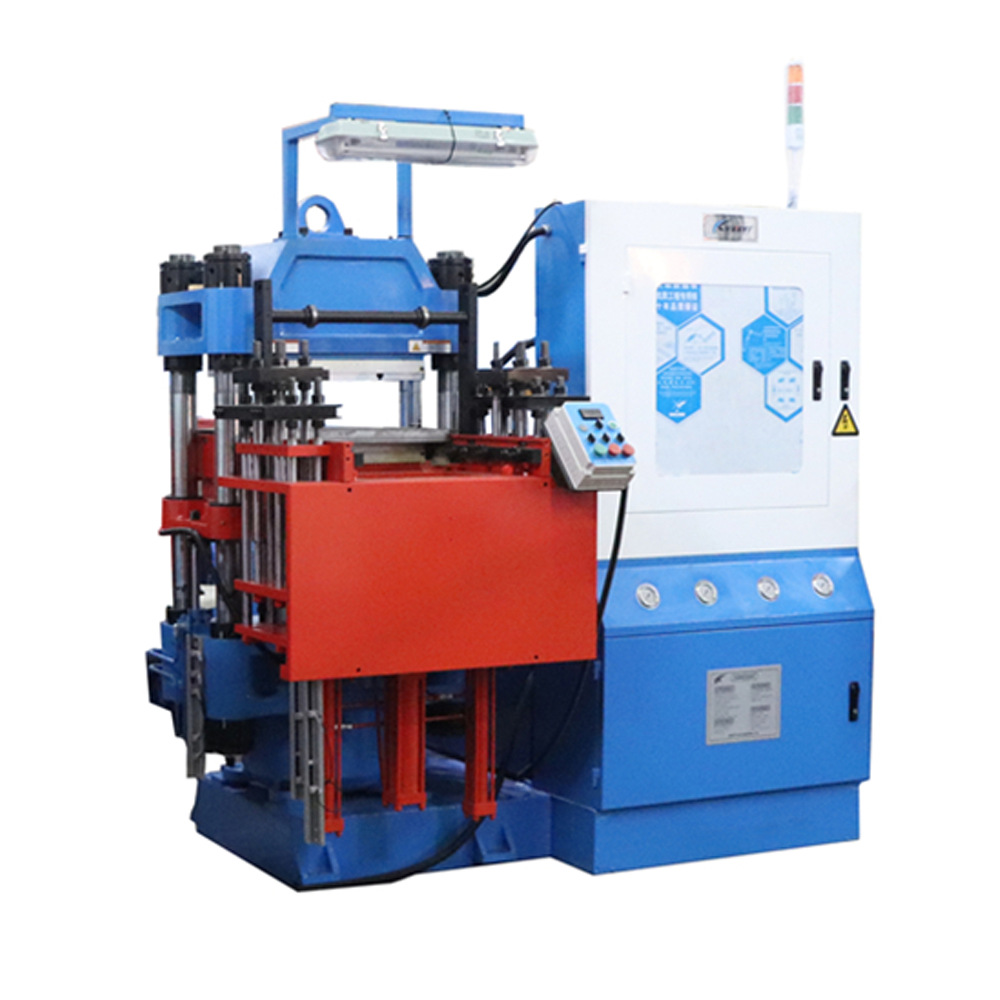
Factories still running legacy hydraulic presses waste power and wrestle with inconsistent cure cycles, uneven temperature across the press platen, and slow response when mold conditions shift. That inefficiency matters: electric motor-driven systems account for roughly 45% of global industrial electricity use, according to the U.S. Department of Energy, so any needless draw adds up fast. Modern upgrades—like pairing proportional valves with servo motors—are a straightforward fix, and you can see them retrofitted into everything from injection units to dedicated rubber vulcanizing machine lines for better results.

How proportional valves and servo motors actually change the game
Proportional valves let hydraulic flow and pressure scale smoothly instead of slamming on and off. Servo motors add precise positioning and speed control while recovering energy during deceleration. Together they reduce wasted spool movement, shorten the cure cycle, and improve clamping force accuracy. The result: fewer thermal excursions in the mold, tighter part tolerances, and lower energy draw during idle periods. Industry terms to keep in mind here are proportional valve, servo motor, and cure cycle—each one plays a concrete role in cutting losses.
A practical look: where shops trip up when upgrading
Upgrades aren’t plug-and-play. Common mistakes: oversized proportional valves that increase dead volume, poor PID tuning on the temperature and pressure loops, and ignoring the drivetrain when integrating a servo motor. Shops also forget to model the whole system—hydraulic gain, spool dynamics, and the thermal mass of the platen—so optimization becomes guesswork. Fix those and the system behaves predictably; skip them and you’ll chase quality issues while energy bills stay stubbornly high.
Alternatives and trade-offs—what to compare
Fully electric presses offer great repeatability and zero hydraulic leakage, but they can struggle with very high clamping force demands and upfront cost. Hybrid systems keep a compact hydraulic power unit but add servo-driven pumps for on-demand flow and energy regeneration. For rubber molding, where platen temperature control and pressure profiles matter, a hybrid setup with tailored proportional valve mapping often hits the best balance between energy use and process control. Consider press platen size, clamping force range, and the ability to log process data when comparing options.
Real-world anchor: evidence from the shop floor
At a mid-sized molding plant in Shenzhen, engineers reported cycle time drops and a notable power reduction after switching to servo-driven pumps and finer proportional valve control—cure variability tightened and scrap went down. That practical improvement mirrors broader energy studies and shows the tech isn’t just theoretical; it delivers measurable results in production environments when applied correctly.
Implementation checklist and common-sense tips
Start with a baseline energy and quality audit. Then match proportional valve sizing to peak flow needs, invest in good sensors for pressure and platen temperature, and tune control loops during real production runs—not just in dry tests. Don’t skimp on training: operators need to understand how servo-assisted energy regeneration behaves under different mold loads. A few small investments here usually return in lower energy and less rework.
Advisory: three golden rules for choosing the right upgrades
1) Metric-first selection — prioritize measured reductions in kWh per cycle and scrap rate over vendor claims. 2) Control fidelity — require closed-loop control on pressure and platen temperature and verify PID stability across the operational range. 3) Lifecycle fit — choose a system that supports energy regeneration and diagnostic logging to spot drift early.
Upgrading with properly sized proportional valves and responsive servo motors solves real production headaches and makes energy savings repeatable—plus it pairs naturally with modern rubber vulcanizing press machine setups that demand tight cure control. HWAYI. Thoughtful gear, smarter runs.

