
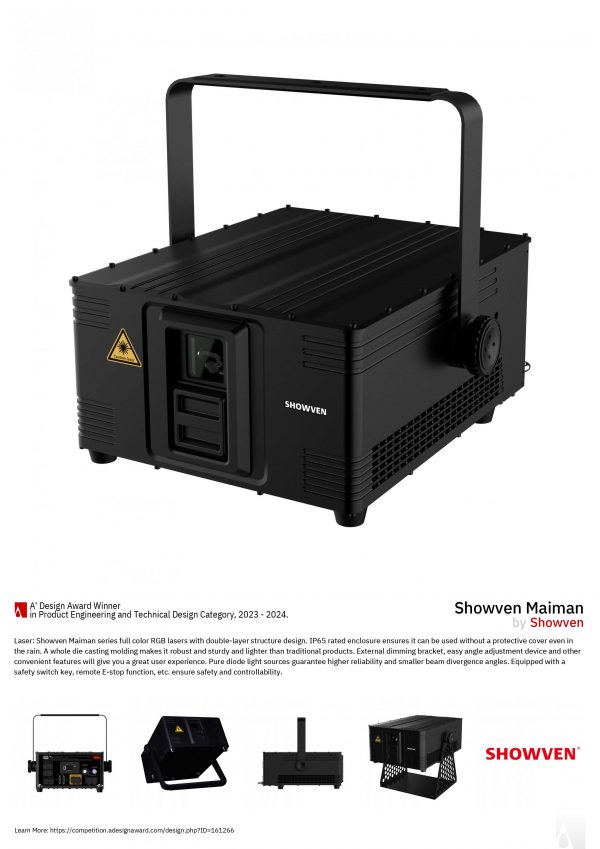
A Clear Scene: Why Comparisons Matter
Define the aim first: a laser show should be bright, stable, and safe. Laser Light Systems handle all three, yet each venue adds its own frictions. In festivals, arenas, or small studios, laser light solutions face fog density, rig height, and power limits. Data tells a calm story: 80–120 ms control delay can blur tight chases, and 10–15% energy can vanish in old power converters. So, what matters more on the night—peak watts or predictable control? (Hint: both, but not equally.) Look at the whole chain: source, scanners, optics, cooling, and safety. Take a city square show with wind and thin haze; beam divergence grows, scanner noise rises, and operators chase fixes. The cost is not only power. It is trust in the cue. We will compare where trade-offs hide, and why the quiet choices often win. Onward to the details.

Deeper Layers: Where Traditional Approaches Trip
What actually fails under real load?
Old-school rigs lean on analog modulation and open-loop galvanometer scanners. They look fine in a demo. Under heat and long duty cycles, drift creeps in. Beam divergence widens, mirror inertia shows, and tiny misalignments become big artifacts. A 30 kpps claim at small angles may collapse at wider throws. Then the audience sees flicker. Or worse, the logo bends. Edge issues also show up in thermal management. Fans ramp, temperature rises, and power derates. The result is a dimmer show by the third act—funny how that works, right?
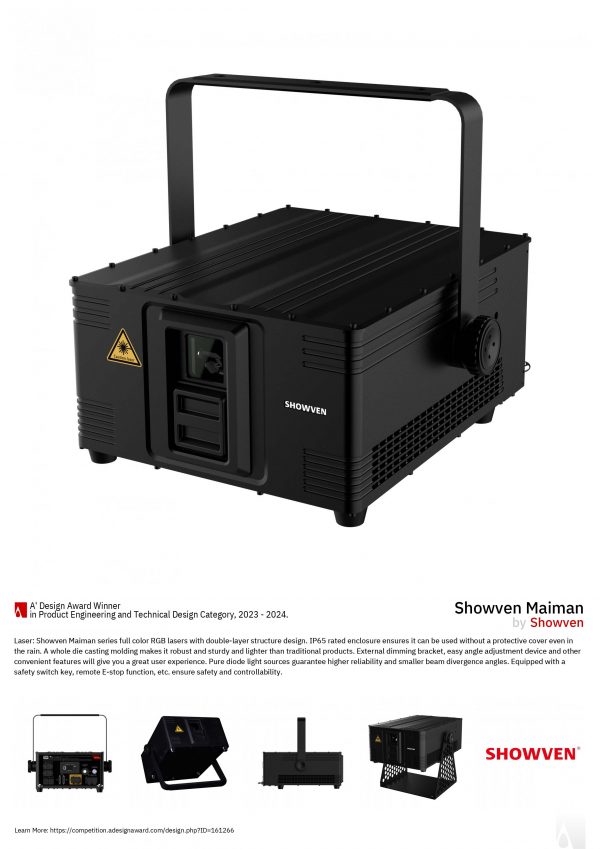
Control paths add pain. DMX chains stack latency, and packet jitter nudges timing off the beat. Safety interlocks add necessary gates, but they can be uneven across units. Look, it’s simpler than you think: when timing and heat wobble, operators start chasing fixes they can’t see. They overdrive output to compensate, which stresses optics and power supplies. The feedback loop bites. Even with good content, the experience feels soft. Meanwhile, deployment time grows because fixtures need manual tuning, not just addressing. And yes, that surprises people—because the spec sheet looked perfect.
Forward-Looking: Principles That Change the Game
What’s Next
New stacks tighten the chain with closed-loop scanners, FPGA control paths, and smarter power stages. The point is not only speed; it is stability at show angles. Closed-loop galvos hold position even as load shifts. FPGA logic trims control latency and reduces phase noise, so cues hit on time. Digital power converters with active PFC keep voltage steady when the grid sags. Together, these reduce dimming drift under heat. In short: less wobble, more repeatability. A modern laser display system also treats safety as part of motion control, not an afterthought. Zone mapping, verified beam paths, and hard fails act in microseconds. That keeps the art intact and the audience safe.
Consider a touring rig moving from a damp arena to a hot outdoor stage. With predictive thermal management, fans ramp early, not late. Beam quality stays tight because optics are held near a clean operating window. Edge computing nodes in the controller pre-check content for scan angle stress and clip before it clips you. The outcome is visible: logos keep their corners, text stays legible, and aerials hold depth. Fewer rescans. Faster morning checks. A better night. Also, the power budget shrinks because you do not brute-force brightness—you preserve it.
Choosing Wisely: Metrics That Matter in Practice
To pick the right path, test three things. First, measure end-to-end latency from console touch to beam motion, under load and at your real scan angles. Second, verify effective brightness per watt after all optics—count losses from mirrors and windows, not just the source rating. Third, check thermal headroom: run at expected ambient, then track output stability and derate behavior over a full set. If these three hold, the show will hold. If not, the rest is wishful thinking. Quiet engineering wins the loud moment. For more context and careful build quality, see Showven Laser.

