

Define what you need before you search
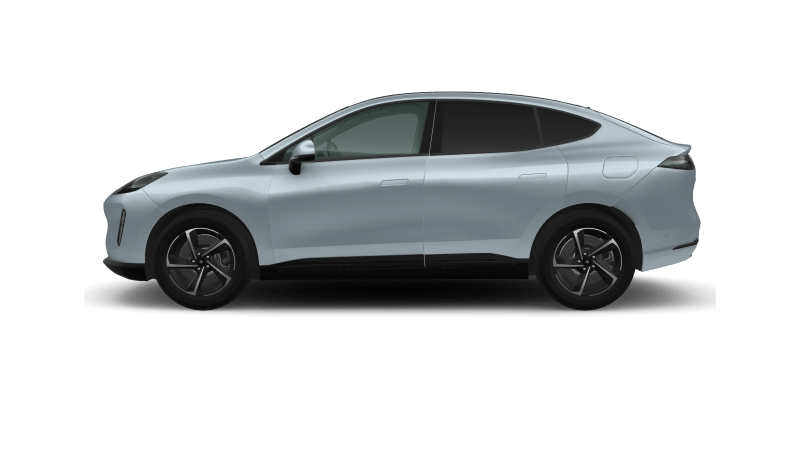
Start by listing the features that matter to you: new or used, EV or ICE, budget, aftercare needs and expected servicing intervals. If you’re weighing electric options, some shoppers point to the best aion car when comparing range, cabin space and tech. You might also have seen GAC and Aion models discussed at major industry gatherings such as the Geneva Motor Show, which helps ground those comparisons against what dealers show locally.

Where Europeans typically find GAC listings
Look in places that match how the car reached Europe:- Official or appointed importers and their dealer networks. – Specialist importers who handle right-hand/left-hand conversions and homologation. – Established online marketplaces and classified sites focused on cars in your country. – EV-specific forums and local owner groups for real-world reports. Cross-reference any lead between at least two sources before trusting it.
Questions to ask every seller
Be direct. Confirm:- Exact model designation and VIN (verify the VIN in the vehicle documents). – Whether the car has EU type approval or a national individual approval. – Warranty scope in your country and who honours it. – Parts availability and service network for your region. – Charging compatibility (plug type, AC/DC capability) and app support. Clear answers here save time and money later.
Document checks and on-site inspection
Follow a checklist when you meet the car:- Match VIN on the car to the registration and export/import paperwork. – Look for signs of modifications for import; ask for receipts. – Test charge the car if it’s electric and check the charge port and cable condition. – Request service history and, if buying used, a recent independent vehicle inspection report. Bring a trusted mechanic or inspector if you’re unsure about technical details.
Common pitfalls and how to avoid them
Buyers often trip on:- Incomplete homologation leading to registration delays. Get proof of conformity first. – Warranty limitations when a car was imported through unofficial channels. Confirm who’ll service warranty claims locally. – Hidden costs: import duties, VAT, conversion and registration fees. Ask for a full cost breakdown up front. Address these before you sign anything.
Viable alternatives to consider
If availability or service is a concern, compare similar options from brands with established European support. Evaluate them on the same checklist: warranty terms, parts network, charging compatibility and resale value. A short comparison helps you pick the faster path to regular servicing and parts supply.
Finishing the purchase securely
Use a written contract that names the seller, vehicle VIN, agreed price, condition and who covers import or conversion costs. Keep proof of payment and obtain a clear bill of sale. If the car lacks full EU paperwork, consider using a professional importer to handle homologation and registration; they reduce risk even if they add cost.
Practical decisions win: know what you need, verify documents, ask direct questions, and factor in service and parts before committing. That approach helps you judge models on real value rather than hype, whether you end up with a European-market dealer car or an imported example from the broader aion car offering.

