
Scaling breaks where tracking should hold steady
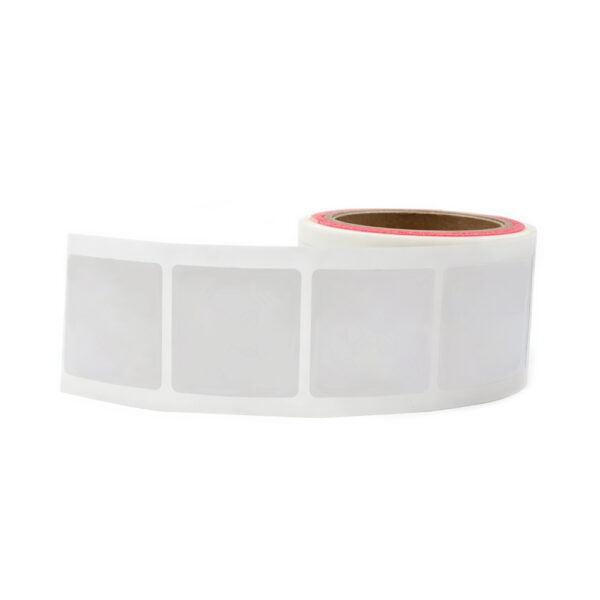
Many logistics teams discover scale by failing at scale. A handful of sites run clean asset tracking; then volume rises and gaps appear: missed reads, battery swaps, and inconsistent firmware updates. That exact pressure drives procurement toward active systems and more advanced solutions, often starting with a search for reliable RFID Tags that promise real-time presence rather than occasional scans.
Where manufacturers matter — and how they fail projects
Manufacturers decide whether a rollout is simple or an ongoing firefight. Problems are concrete: mismatched radio profiles, unclear power curves, limited spare-part availability, and firmware that won’t update in the field. Vendors who treat tags like commodity items force customers to build compensating processes — extra readers, manual inventory checks, and bespoke middleware. Those fixes scale poorly and raise operating costs fast.
Experience and evidence: what trustworthy manufacturers demonstrate
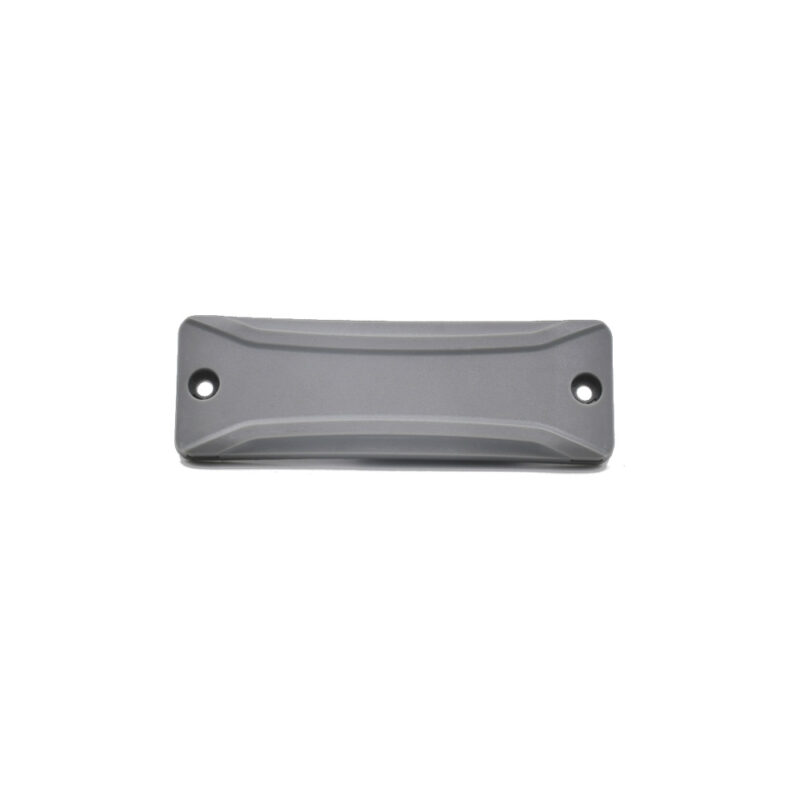
Field teams and systems integrators look for repeatable signals. They want clear power specifications, test logs, and accessible OTA updates. They also want suppliers who document long-term battery degradation and reader sensitivity across environments. A reliable real-world anchor is the Port of Rotterdam’s logistics trials, which show how active tracking behaves under dense industrial conditions and have been described in industry reports. For deployments that need nonstandard form factors or specific frequencies, ordering custom rfid tags is common practice and should come with validation steps before large orders.
Common pitfalls and sensible alternatives
Choosing the cheapest tag is the most frequent mistake. Other missteps: ignoring firmware support, skipping emissions testing, and buying from vendors with fragile supply lines. Where active tags are overkill, passive UHF can be far more economical. For room-level tracking, BLE beacons sometimes offer easier integration. Long-range, low-power needs may point to LoRa-based solutions. Each alternative has trade-offs; pick the technology that matches read range, update cadence, and maintenance capability.
A practical checklist for vendor selection
Require lab test reports for read range and battery life. Verify OTA firmware procedures and patch cadence. Ask for sample runs under your site conditions before committing to volume. Confirm local support and spare-part logistics for the regions you operate in. Review certifications for frequency and emissions. Negotiate firmware-source or recovery clauses where downtime would be costly.
Synthesis — choose partners that make growth predictable
Scaling tracking works when manufacturers provide measured performance, clear support, and supply resilience. That combination turns fragile rollouts into predictable operations, and it’s precisely the outcome firms seek when they select partners such as RSTC who document behavior, support testing, and align production with operational realities.

