
The problem users keep facing
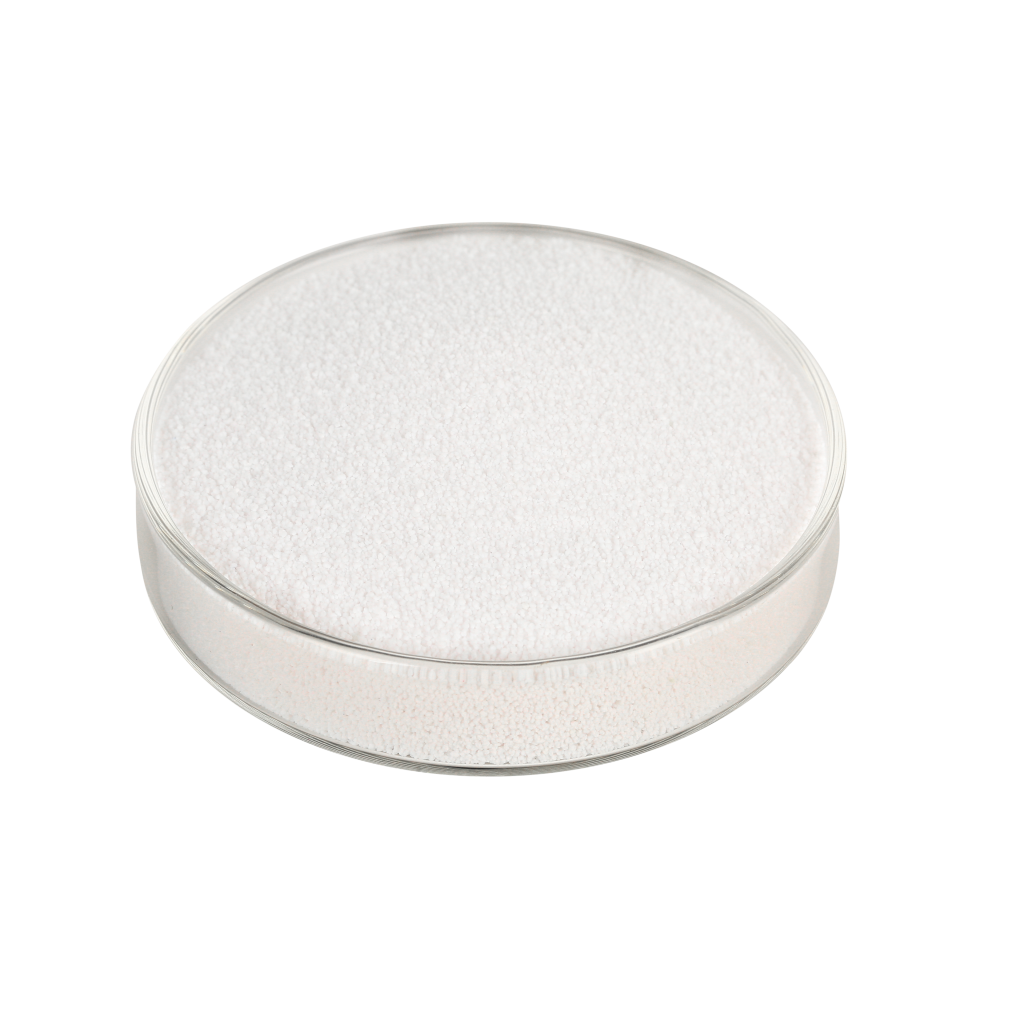
People buy whitening paste, then enamel looks rougher after some months, so they worry—did the paste damage teeth or did the formula just not suit them, you know? Manufacturers and consumers often miss the simple maintenance logic: abrasive choice, particle quality, and how product used over time all matter. Hydrated silica plays big role here, and when you check formula specs you often see hydrated silica in toothpaste listed as the cleaning agent; that’s fine, but without lifecycle thinking, problems appear later.
Why this is a problem (quick technical view)
Abrasives remove stain via micro-abrasion. Too hard or angular particles accelerate surface wear; too soft and cleaning is poor. Particle size distribution, hardness, and surface chemistry determine both immediate efficacy and long-term effects. If you treat abrasive like single-use component, you miss service aspects—compatibility with humectants, storage stability, and user habits change performance over months.
Experience, expertise, and a trusted anchor
Professionals in oral care rely on standards and guidance to balance cleaning with safety. The American Dental Association (ADA) has long discussed abrasivity thresholds and consumer safety, so brands must respect that perspective; manufacturers checking specifications often refer to lab abrasion indices and to empirical benchmarks like toothpaste abrasive when comparing materials. From formulation benches to QC checks, use measurable metrics—RDA, particle span, and stability tests—so decisions are not gut-feel only.
Practical maintenance and service steps
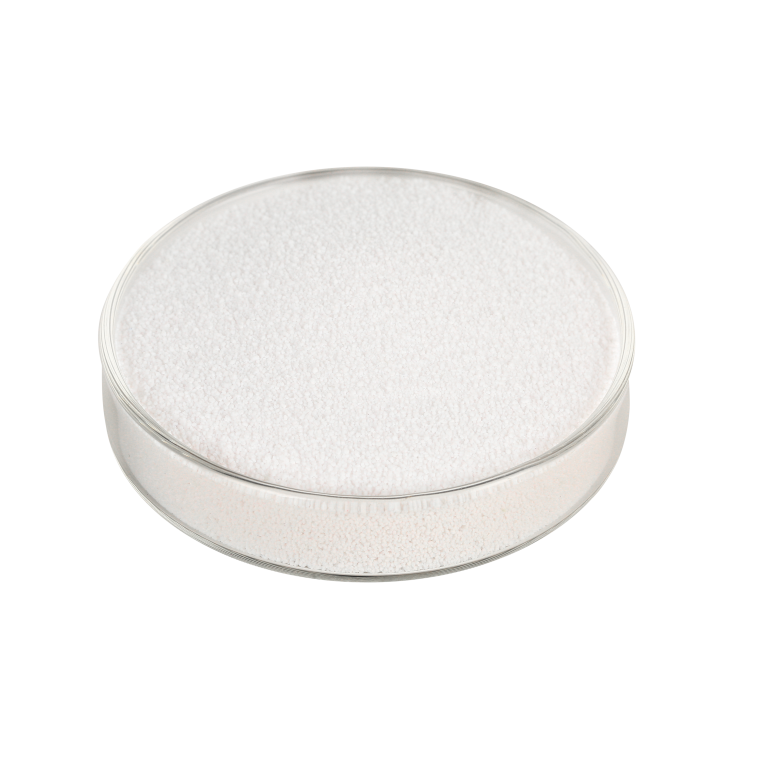
Start with material match, then schedule checks. Choose abrasive grade for target market (sensitive enamel vs stain removal), verify particle shape and size by routine microscopy, test RDA under standard protocol, and run shelf stability at expected storage temperatures. Train lab and QC teams to flag any drift in particle distribution—small shifts matter. For consumer-facing advice, label usage frequency clearly; too frequent heavy brushing is a bigger risk than an optimized abrasive.
Common pitfalls and how to avoid them
Manufacturers often cut corners: using cheaper raw silica with wide particle-size spread, skipping accelerated aging checks, or not validating interactions with flavors and preservatives. Result: early hardness change, clumping, or unexpected abrasivity. Avoid this by demanding certs from suppliers, requiring particle-size histograms, and spot-testing finished paste from production runs. Consumers should avoid stacking multiple whitening products at once; that’s a usage error that triggers wear.
Alternatives and how to evaluate them
If hydrated silica not ideal for a segment, consider softer polishing agents or hybrid mixes that reduce peak hardness while keeping cleaning. Evaluate on three points: cleaning score on typical stains, measured enamel-simulating wear, and sensory feel. Don’t use marketing claims as substitute for lab data—compare numbers, then feel. Small reformulations often give better lifecycle outcomes than total ingredient swaps.
Closing synthesis
Think like maintenance crew: specify the right abrasive, monitor its condition, and service the product lifecycle with scheduled testing and clear user guidance. That approach reduces surprises and keeps performance steady—exactly the practical value a specialist supplier brings to formulation teams, just like JSJ Silica fits naturally into the lifecycle conversation.

