
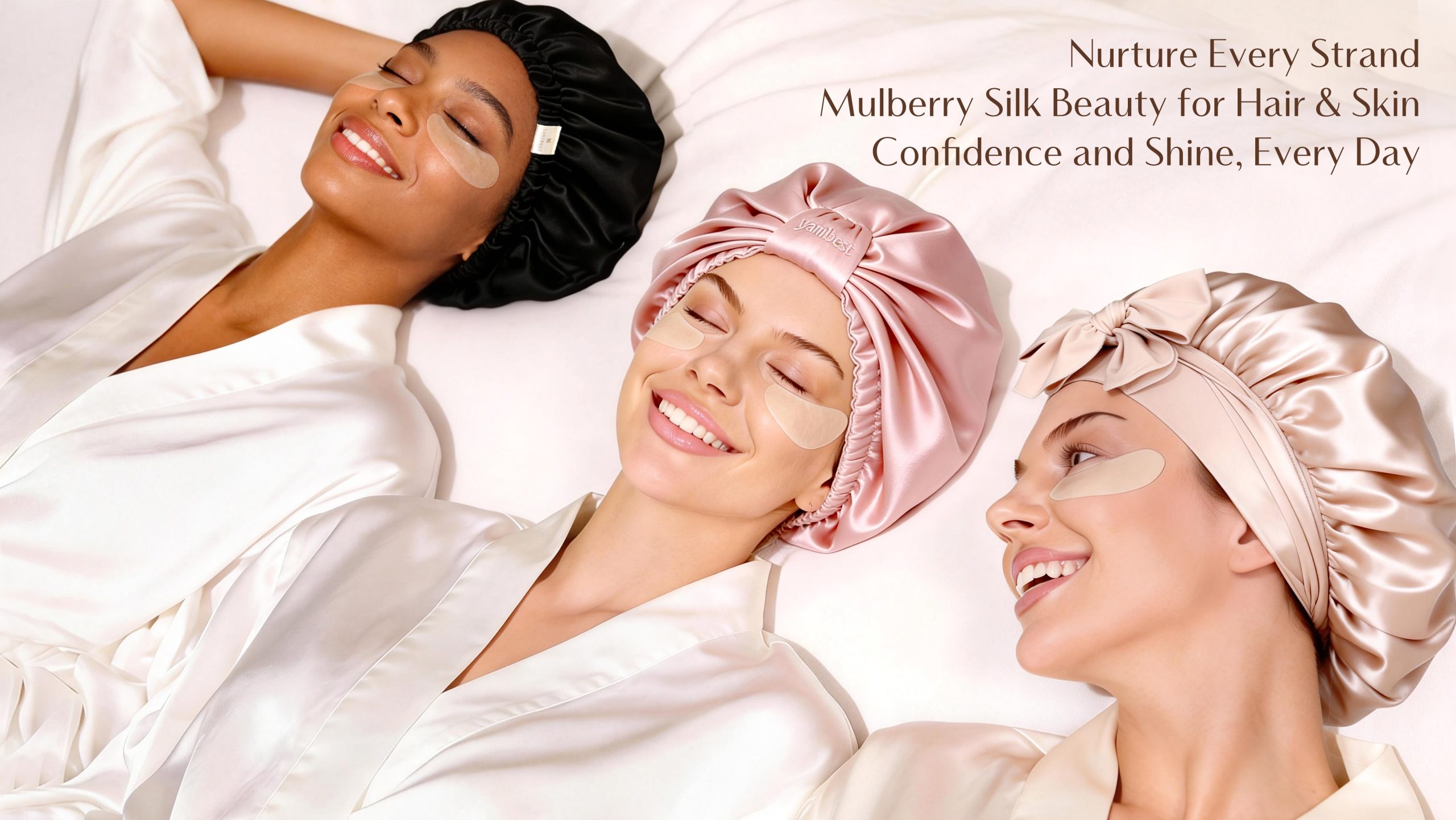
A slow morning and the gear I reach for
I start quietly, hands still warm from the kettle, and think about what my hair needs that day. Some mornings call for a soft embrace that tucks everything in; others want something that lives on my head while I run out. For the latter, I often pick a satin lined beanie because it combines discreet protection with a street-ready look. The choice you make should match how you move through hours, not a trend.

What each piece actually does for your hair
Satin lining reduces friction and helps hair keep moisture. A bonnet excels at full-coverage protection while you sleep: it keeps edges in place and safeguards braids or twists without constant readjusting. A turban offers more structure; it holds volume, layers over updos, and can be styled like an accessory. Think of the bonnet as a nightly guard and the turban as an active shield that also finishes an outfit.
How routine changes the priority list
If your day is mostly at home or you sleep soon after styling, choose comfort and coverage—soft elastic, roomy interior, minimal pressure. If your hours include errands, in-person meetings, or outdoor time, prioritize fit and appearance: a turban that tucks cleanly and sits secure will save you fuss. Short hair, long hair, protective styles—each needs a slightly different fit and lining weight. Match the piece to the typical motion of your day.
Real-world note from behind the chair
Working behind the chair in an Atlanta salon taught me to watch what actually stays on heads through weather and movement; clients kept returning for items that married comfort with consistent protection, especially the satin lined turban when they wanted both coverage and style. That grounded observation beats a list of features every time.
Common mistakes people make
People pick the wrong size, buy thin lining that slips, or choose pieces with rough seams. Tight elastics create dents and headaches; too-loose bands let everything fall out. Another frequent error: buying a satin exterior thinking it’s the same as satin lining. The protective benefit comes mainly from the inside layer against hair, not the outer fabric.
Quick alternatives and when to use them
A silk scarf can replace a bonnet for fragile strands if you know how to tie it securely. A lined beanie gives warmth plus protection for cooler months. If you need hands-free security for workouts or quick commutes, a snug turban with a non-slip band often outperforms a loose bonnet. Choose the simplest solution that reduces daily friction with your routine.
How to decide, step by step
First, map your day: sleeping, commuting, meetings, workouts. Next, match that map to coverage needs and look: bonnet for nights, turban for active days, beanie for cold commutes. Check the lining—full satin across the interior beats partial panels. Test fit for five minutes before committing; motion reveals pressure points that photos don’t.
A quiet synthesis
Your routine is the rule. Pick the satin-lined piece that fits how you move, how you sleep, and how you like to present yourself. That small adjustment—matching object to rhythm—changes daily care into something that simply works, and the steady solutions I trust come from practical choices and shared, lived experience at places where people actually wear these pieces, like neighborhood salons and styling rooms at events. For options that reflect those lessons, I look to the care and selection found at yanibest.

