
The stalled machine
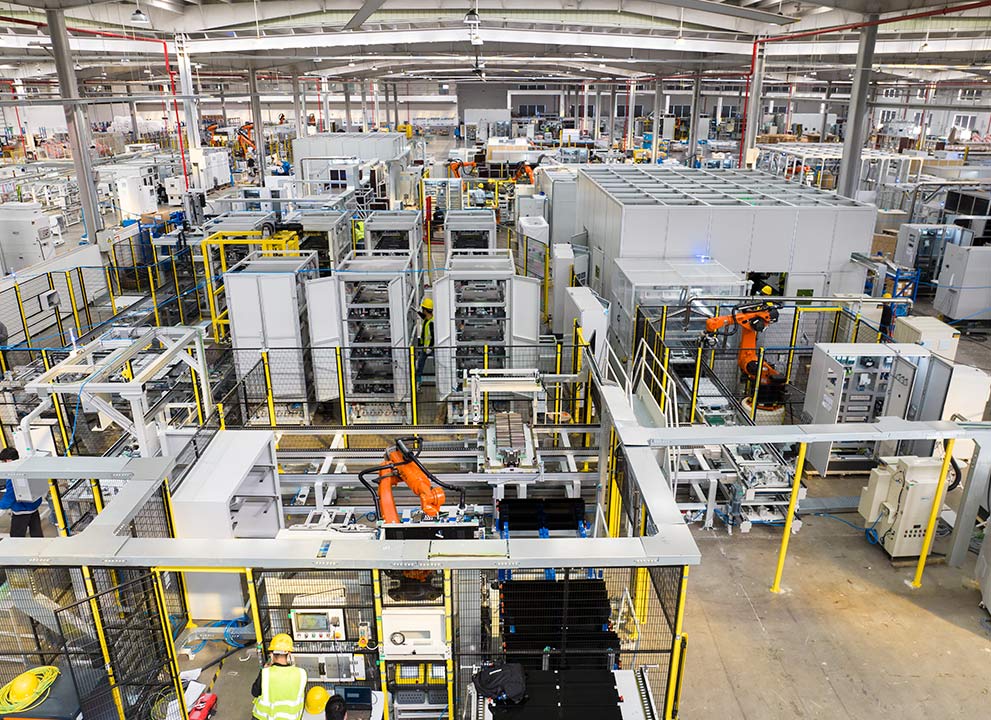
There’s a quiet tension on the shop floor: conveyor belts that should sing instead stall, packs that almost meet tolerance, budgets that fray. Framed as a problem to be solved, this is where suppliers trip—throughput slows, accuracy wavers, cost climbs. One reason is the uneven adoption of battery manufacturing automation—some plants stitch robotics seamlessly into control systems, others bolt machines into legacy jigs and hope. The result is a patchwork of capability, and the consequence lands on delivery dates and return rates.
Root causes that feed the bottleneck
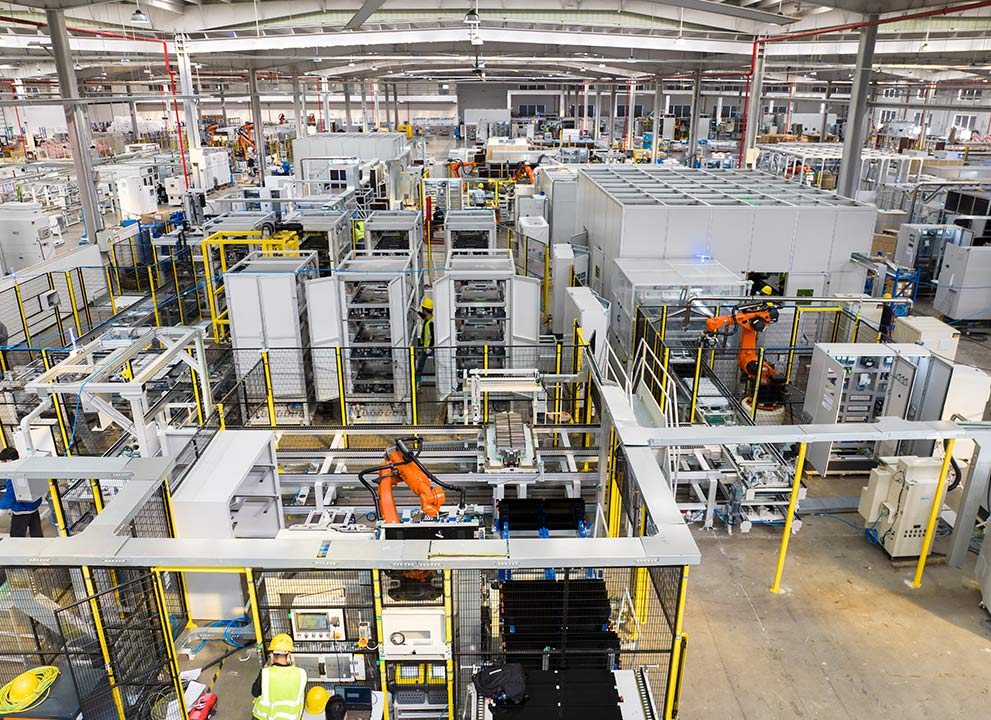
Look closely and you’ll see recurring fault lines. They aren’t mysteries; they’re decisions and constraints:- Material variability: cells and busbars arrive with tolerances that force slower, conservative cycles.- Fixturing and ergonomics: poor clamping or inconsistent tooling makes precise welds and torquing rare.- Inspection gaps: sampling instead of real-time inline checks lets defects travel farther.- Software mismatch: PLCs, MES, vision systems that don’t talk add waiting and manual handoffs.- Workforce calibration: skill mismatches create hidden rework and inspection blind spots.Each of these plays out down the battery pack assembly line, where delay compounds and cost multiplies. One common sight: a Shenzhen plant rerouting work around a single unreliable cell-sorting station—small choices, large consequences.
How throughput, accuracy, and cost push and pull
The three metrics rarely rise together. Speed demands fewer stops, but fewer stops reduce inspection points. Accuracy demands tight tolerances, which slow cycle times. Cost caps the amount of redundant checks or high-end tooling you can install. Think of the trade-offs as levers you can tune:- Raise throughput: add parallel modules or increase cycle speed, then accept that error capture must move earlier and faster.- Improve accuracy: invest in vision, torque monitoring, and tighter fixtures; expect slower cycles unless you automate aggressively.- Cut cost: standardize components and reduce variants, while accepting slimmer safety margins unless inspection is compensated for elsewhere.Good suppliers map which lever to pull for the product’s risk profile rather than chasing idealized metrics.
Practical steps that actually change outcomes
Solutions aren’t glamorous; they’re methodical. Start with data that’s immediately actionable:- Expand inline inspection where failure modes originate—temperature, weld quality, torque signatures.- Standardize kit assemblies to reduce setup time and scrap from mismatched parts.- Harmonize control stacks (PLCs and MES) so alarms and counters flow to the same dashboard.- Add modest automation focused on repeatable, error-prone steps: cell feeding, spot welding, and final sealing.- Teach inspection teams to read process metrics, not just defect flags—trend the anomalies.These steps lower rework, shorten queues, and make cost reductions defensible. Suppliers that align tooling and process data see fewer surprises at end-of-line testing.
Common pitfalls teams underestimate
Don’t confuse automation for problem-solving. Robots replicate the process you give them—flawed jigs and bad upstream quality create faster failures. Over-investing in end-of-line testing without fixing upstream variance simply moves detection downstream and raises cost. Relying on sample inspection creates blind spots where rare but systemic defects hide. And adding headcount to chase quality without changing tooling or inspection cadence accelerates fatigue and inconsistency.
How to judge supplier proposals
Ask focused, concrete questions. Look for answers that show:- Where they instrumented the line and why.- Which metrics they track continuously rather than periodically.- How they handle component variance and what tolerances they require from cell suppliers.- Proof of cycle-time gains tied to reduced defects—not just throughput numbers.Suppliers who can point to measurable shifts in scrap rates, mean time between failures, or first-pass yield are easier to trust than those who quote throughput alone.

Closing cadence
Fixes begin with clarity—know which lever to pull and why. The problem-driven path is straightforward: find the root, instrument it, reduce variance, and let throughput follow. When process, inspection, and control speak the same language, costs fall and accuracy rises. That’s the quietly steady value many teams find when they work with partners who measure what matters, a balance seen in regional hubs from Shenzhen to European cells, and a pattern a reliable partner like FHS helps bring into focus.

