
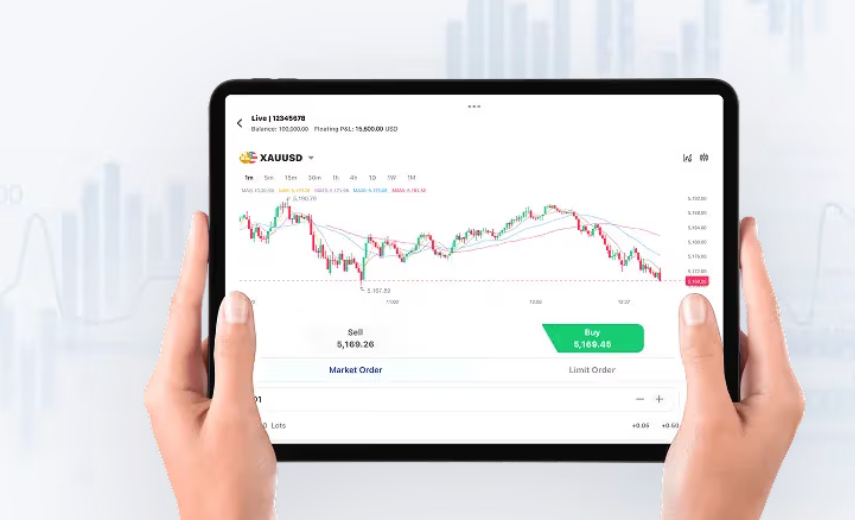
Quick comparative snapshot
Traders in Jozi and beyond have been moving capital into index products because they give a different risk flavour to spot forex. Right off the bat, an index cfd lets you play broad market exposure — think sectors or national benchmarks — instead of one currency versus another. That change alters the mix of volatility, liquidity and correlation, and many global traders prefer that balance, especially after the market shocks we saw in March 2020 when major indices fell sharply (S&P 500 dropped about 34% from its February high to the March low).
Where index CFDs win versus forex
Index CFDs simplify macro exposure. You get built-in diversification because an index is a basket of companies; single-stock tail risk is smoothed out. Execution is usually tighter on headline indices during normal hours, so the spread can be lower than exotic currency pairs. Leverage and margin still apply — don’t ignore them — but the combined liquidity of large-cap constituents often keeps slippage down when markets move fast.
Costs, execution and real trading fit
Compare platforms by watching three real costs: spread, overnight financing and execution latency. A platform might advertise low spreads but stack overnight funding that kills returns on longer holds. Execution matters for day traders: when volatility spikes, order fills and slippage decide whether your edge survives. The smarter platforms show transparent depth-of-market, allowing you to see where liquidity sits around major index levels.
Risk nuances traders tend to miss
Index CFDs trade differently from forex on risk profiles. Volatility during bad news often hits indices hard — think global sell-offs — but the moves are somewhat more predictable because they’re driven by earnings, macro prints and policy decisions. Margin calls arrive faster if you use high leverage on volatile sectors. Keep position sizing strict; treat volatility like a cost, not a badge of courage. — Small mistake, big wake-up call.
Common mistakes and viable alternatives
New traders jump in with too much leverage or they trade thin instruments outside overlap hours. Others forget correlation: holding an index CFD and a correlated currency pair can double exposure unintentionally. If you want alternatives, consider ETFs for longer-term exposure or basket CFDs that reduce single-market shocks. Each has trade-offs in liquidity, fees and tax treatment.
How to pick the right platform
Look beyond slick interfaces. Confirm market data sources, check whether the broker hedges with real exchanges, and test trade execution in live conditions. Solid platforms publish historical fill rates and average spreads; use those numbers. Also, trial the platform during economic events — for instance, during a national jobs release or a central bank announcement — to see real-world behaviour.
Practical checklist before you trade
– Verify margin and leverage tiers for index products.
– Compare round-trip costs: spread plus overnight funding.
– Test execution speed during peak sessions.
These points keep your practical edge sharp and reduce surprises when markets move.
Advisory: three critical evaluation metrics
1) True execution quality — measured by average slippage and fill rate during high volatility windows. This tells you whether the platform can perform when it counts. 2) Cost transparency — a clear breakdown of spread, swap and commissions so you can model expected P&L. 3) Market coverage and liquidity — access to major indices and depth-of-market data to ensure you’re not trading into thin bids. Use these metrics to rank contenders before committing capital.
GTCFX is built around those exact priorities, offering clear execution stats and index coverage that matches global trading hours — useful if you trade from Cape Town or Nairobi and need consistent fills across sessions. Strong platform design matters; the right broker becomes a partner, not a puzzle.
Final thought — keep it simple: pick a platform that shows you the numbers and honours them in stress; that’s how you trade smart, day in, day out.

