
Introduction — a short scene, a number, a question
I stood in a light-swept bay once, watching a machinist coax a tiny part from a chunk of alloy, and I felt the quiet of a shop that knows its craft. For many of us who work with CNC vertical machining center manufacturers, that quiet hides big strain: production targets rise while skilled hands stay the same. Recent shop-floor surveys say small-run orders have climbed by nearly 30% in five years (and machines keep running longer). So I ask: how do we keep precision high and downtime low when demand and complexity both climb? I will walk you through what I see, the flaws we often excuse, and the steps I think matter next — follow me to the next section.

Traditional solution flaws: why small VMCs still trip up production
small vertical machining center setups promise flexibility, but they often carry hidden costs. In shops I’ve visited, tool change cycles and setup time eat into shifts. That lost time is real. Spindle speed may be adequate, yet tool magazine swaps and manual offsets slow the line. The common fix has been to add more shifts or more people. That is short-sighted. Look, it’s simpler than you think: automation needs to be matched to workflow, not tacked on. Servo motors and linear guideways are great hardware. But when the CNC controller and CAD/CAM data are out of sync, cycle time balloons. — funny how that works, right?
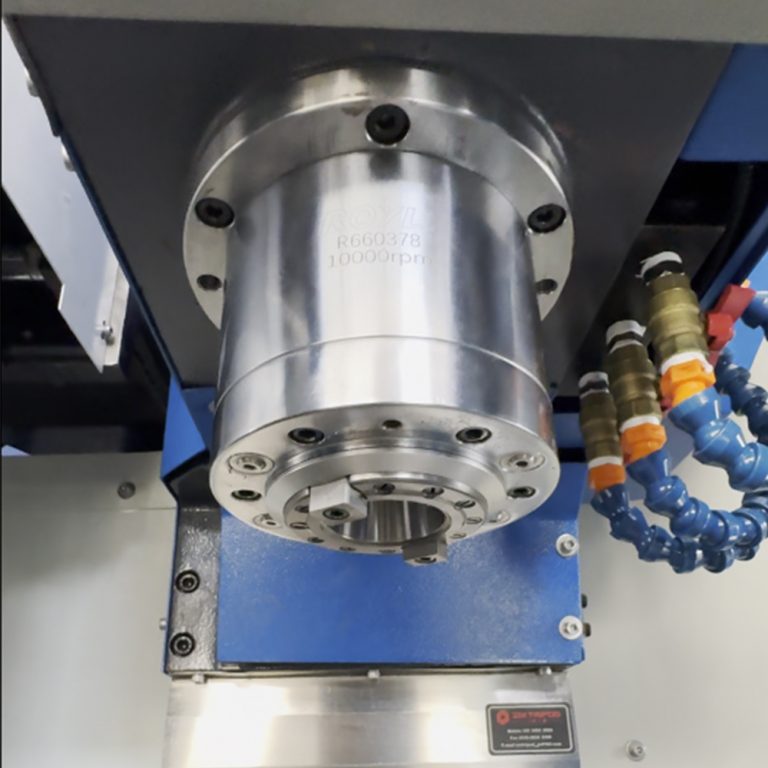
We tend to assume rigidity equals accuracy. Not always. Rigid fixturing reduces error but increases setup time for varied runs. Traditional error-correction relies on manual touch-offs and trial cuts. Those tactics hide a deeper flaw: reactive maintenance. Shops wait for a problem and then fix it. Meanwhile precision drifts. I’ve watched teams lose hours chasing offsets that a predictive check would have flagged. The result? Higher scrap, missed deadlines, and morale that sags. If we want true productivity, we must move from patchwork fixes to predictable systems — and that starts with honest measurement and smarter integration of the basics: tool paths, spindle monitoring, and operator feedback loops.
Is the old way still good enough?
Not really. The old way worked up to a point. Now margins are thinner and tolerances tighter. We have to choose better.
New technology principles for small VMCs — practical and forward-looking
I want to sketch three principles that matter if we are serious about modernizing small cnc vertical milling machine work. First: data at the right cadence. Don’t collect everything; collect what predicts problems. Edge computing nodes on the controller can spot spindle imbalance before it becomes a crash. Second: close the loop between design and machine. When CAD/CAM exports carry true tool-offsets and the CNC controller accepts them without manual re-entry, setup drops. Third: make tooling smarter. Tool probes and contrast-aware holders reduce human guesswork. These principles are not sci‑fi. I’ve seen them cut setup time and scrap in half. They do require investment and, yes, training — but the payback is quick.
Now a brief example: a medium shop replaced ad-hoc checklists with a simple automated probe routine and linked offsets into the CAM file. The small gains stacked up. Cycle time fell. Scraps fell more. Productivity rose without heroic overtime. The tech pieces—servo tuning, spindle monitoring, and tool-life tracking—worked together. Real wins come from that harmony. So when you plan upgrades, ask which principle you are solving for. — I promise, it pays off.
What’s Next?
Here are three metrics I use to judge any upgrade: first, setup time reduction (minutes saved per job). Second, effective spindle utilization (percent time cutting vs idle). Third, first-pass yield (parts within tolerance on the first run). Use those and you’ll cut the noise from the signal. In the end, we choose tools that make teams better at their work, not tools that just add buttons. For those who want a starting point, I recommend reviewing vendor integration features and checking proven cases. If you want reliability and practical gains, consider solutions that focus on real shop problems and steady improvements. For trusted equipment and thoughtful support, I point readers toward Leichman.

